What does the page have to be about?
One search, and only one. The page for EV charger installation is about EV charger installation, in Halifax, and it does not double as the page for rewires or fuse boards. Google matches a page to a query by working out what the page is about, and a page about four things is about none of them strongly enough to win.
Write the heading the way a customer would type it. Electricians in the trade say electrical contractor; customers in Halifax type electrician. The page has to speak the customer’s language, because that is the language the search is in.
How much should be on the page?
Enough to answer the question completely, and no more. What the service is, who it is for, where you do it, how it is priced, what a job involves, what you have done before, what people say, and what to do next. That is often 500 to 800 words with photographs, and it beats both the two-paragraph page and the 3,000-word one written for a word count.
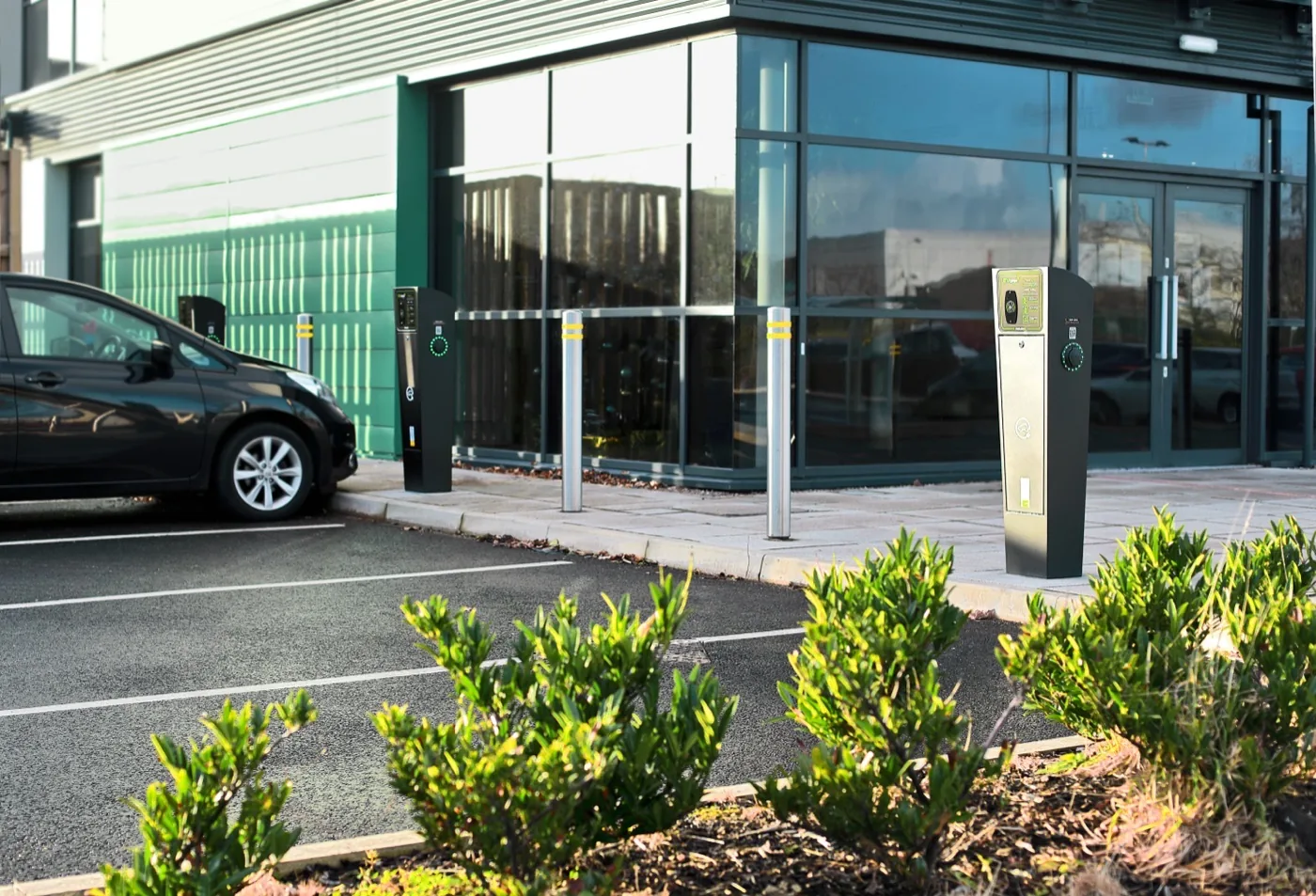
RB Electrical’s service pages are the model we point to: each one has enough on it to rank in its own right, and together they have produced around two organic leads a week for five years.
Does the page need to say Halifax?
Yes, plainly and early, and then it needs to stop. The town belongs in the page title, in the main heading, in the first paragraph and in the sentence that says where you work, in the order a person would type it. What it does not need is Halifax dropped into every third sentence, or a list of forty surrounding villages at the bottom, which Google learned to discount years ago and which reads badly to the customer.
Real places do more than repeated ones. Naming the estates, the industrial parks and the jobs you have done in Elland, Brighouse or Sowerby Bridge tells Google and the reader the same true thing.
What proof helps a page rank?
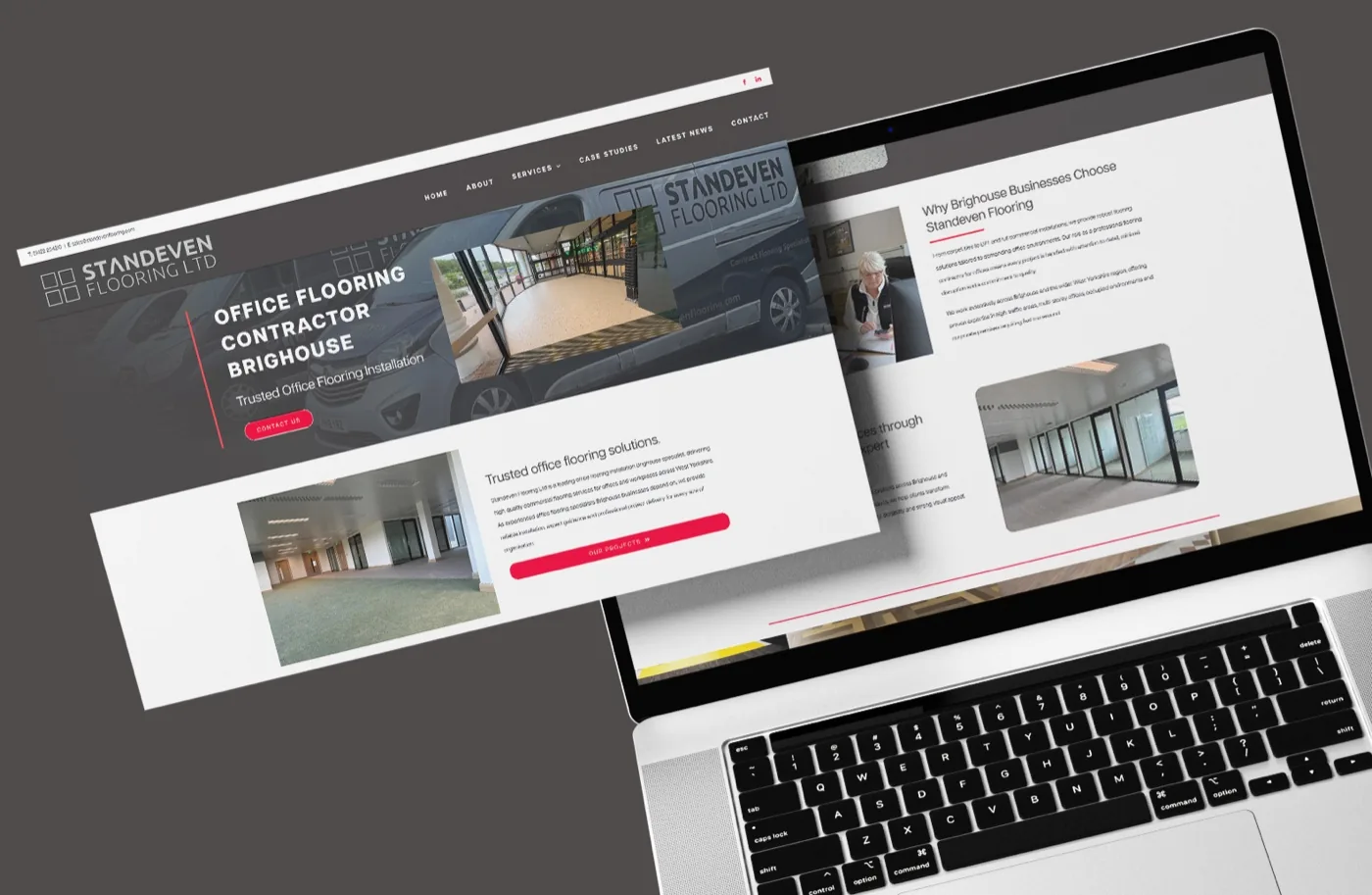
The same proof that helps a person decide. Photographs you took of real jobs, with the place named. Reviews with names on them, on the page and on the Google profile. Accreditations that mean something in the trade, such as Gas Safe or an OZEV approval. And projects written up with what was done and where. Google has spent years learning to reward pages that show first-hand experience, and photographs of the M&S Food store Standeven Flooring fitted in Pudsey are the kind of thing it means.
A stock photograph of a smiling call centre does the opposite. It tells Google and the reader that there was nothing real to show.
Which technical basics matter?
Fast on a phone, indexable, one address per page and a heading structure Google can follow. Then a page title that puts the search first, a short description that earns the click, internal links from the pages people already visit, and structured data that spells out what the business is and where. It is the least visible part of the job and it decides whether any of the rest gets read.
We check every page we publish against Google’s own speed measures on a phone before we call it finished.
Does the same page work for the AI answers?
Yes, if it is written the way this one is: a question as the heading, the direct answer in the first sentence beneath it, and specifics with names and numbers. AI Overviews, ChatGPT and the rest lift the first clean answer they find, and they work out who you are from ordinary sentences that put the business, the town and the service together. Dolphin Heating in Huddersfield is named in the AI answer for female gas engineer Huddersfield, from a site built around that phrase.
A page written for a person and structured for a machine ranks in both places. There is no separate trick.