Has Google indexed the page at all?
Check this first, because a page Google has never stored cannot rank whatever else is right about it. Type site: followed by your web address into Google and see what comes back. If the page you are pinning your hopes on is missing, the cause is usually one of three things: a noindex tag left over from the build, a robots file blocking the folder, or a site so slow and tangled that Google gave up part way through.
Search Console will show you which of those it is, page by page, and it is free. We look there before we look anywhere else.
Is there actually a page for the search you want?
More often than not there is not, and this is the single most common reason a Halifax business sits on page three. A company that does rewires, commercial fit-outs and EV chargers, with all three described in two lines on one Services page, has given Google one weak page to choose from for three different searches. Each of those searches is typed by a different person with a different job in mind.
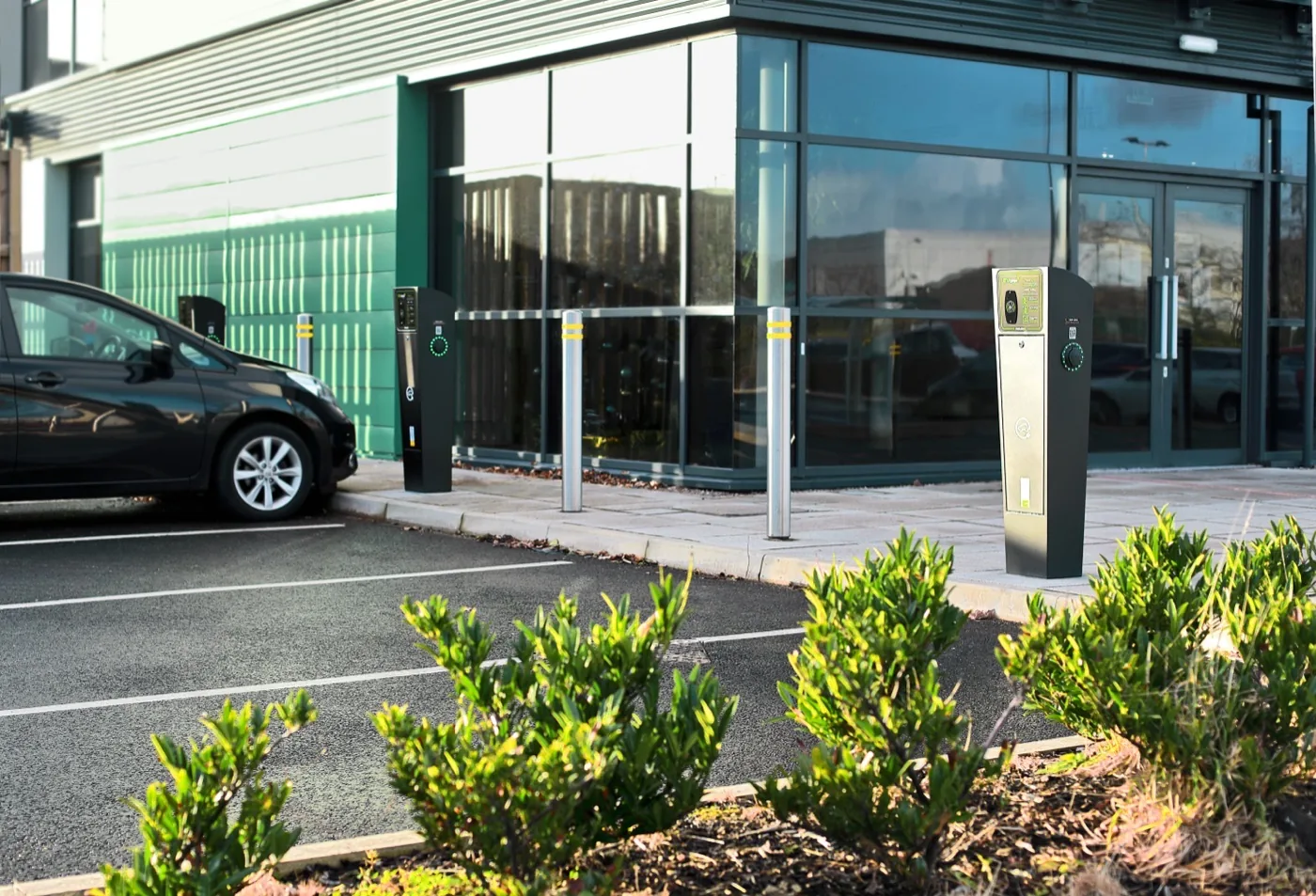
RB Electrical in Halifax is the clearest example we have. Every service got a page of its own, EV charging included, with enough on it to rank in its own right, and the enquiries have averaged around two a week for five years since. One page per search is the rule, and it is the cheapest fix on this list.
Do the businesses above you simply have more evidence?
Often, yes. The firms on page one tend to have more pages, more reviews, more years online and more websites pointing at theirs, and Google reads all of that as a sign that they are the safer answer. It is not unfair, exactly. If a competitor has forty Google reviews and photographs of every job, and you have six reviews and a stock image, the ranking is telling you something a customer would also notice.
The good news is that the gap is measurable. We look at who holds the top spots for each of your searches, count what they have behind them, and tell you which terms are winnable this year and which are not.
Is the site slow or awkward on a phone?
A slow site loses rankings and customers at the same time. Google measures how quickly a page loads and settles on a real phone, and most Halifax searches now happen on one, often on mobile data in a van or a kitchen. A site built years ago on a heavy theme, with full-size photographs and a dozen plugins, can take eight or ten seconds to become usable, and Google ranks that behind a plain page that appears in two.
Speed is a technical job and it sits at the start of every campaign we run, because publishing new pages into a slow site wastes the pages.
Are you ranking, just not where you are looking?
Quite possibly. Google shapes local results around where the searcher is standing, so a search from your own desk in Halifax gives one answer and the same search from Elland or Sowerby Bridge gives another. Searching for yourself over and over also nudges Google into showing you your own site, which flatters the picture. The honest figure comes from Search Console, which reports the average position across every real search, and from a rank tool set to a fixed location.
It cuts the other way as well: a business that looks fine from the office can be invisible three miles up the valley.
What would Halizona check first?
Indexing, then whether the right pages exist, then who you are up against, then speed, in that order, because each one only matters once the one before it is sorted. It takes us an afternoon with Search Console, a crawl of the site and the results for your five most valuable searches, and at the end of it you get a short list of what is stopping you and what we would do about it.
Send us the searches you care about through the form on this page and we will tell you what we would look at first.